
Introduction
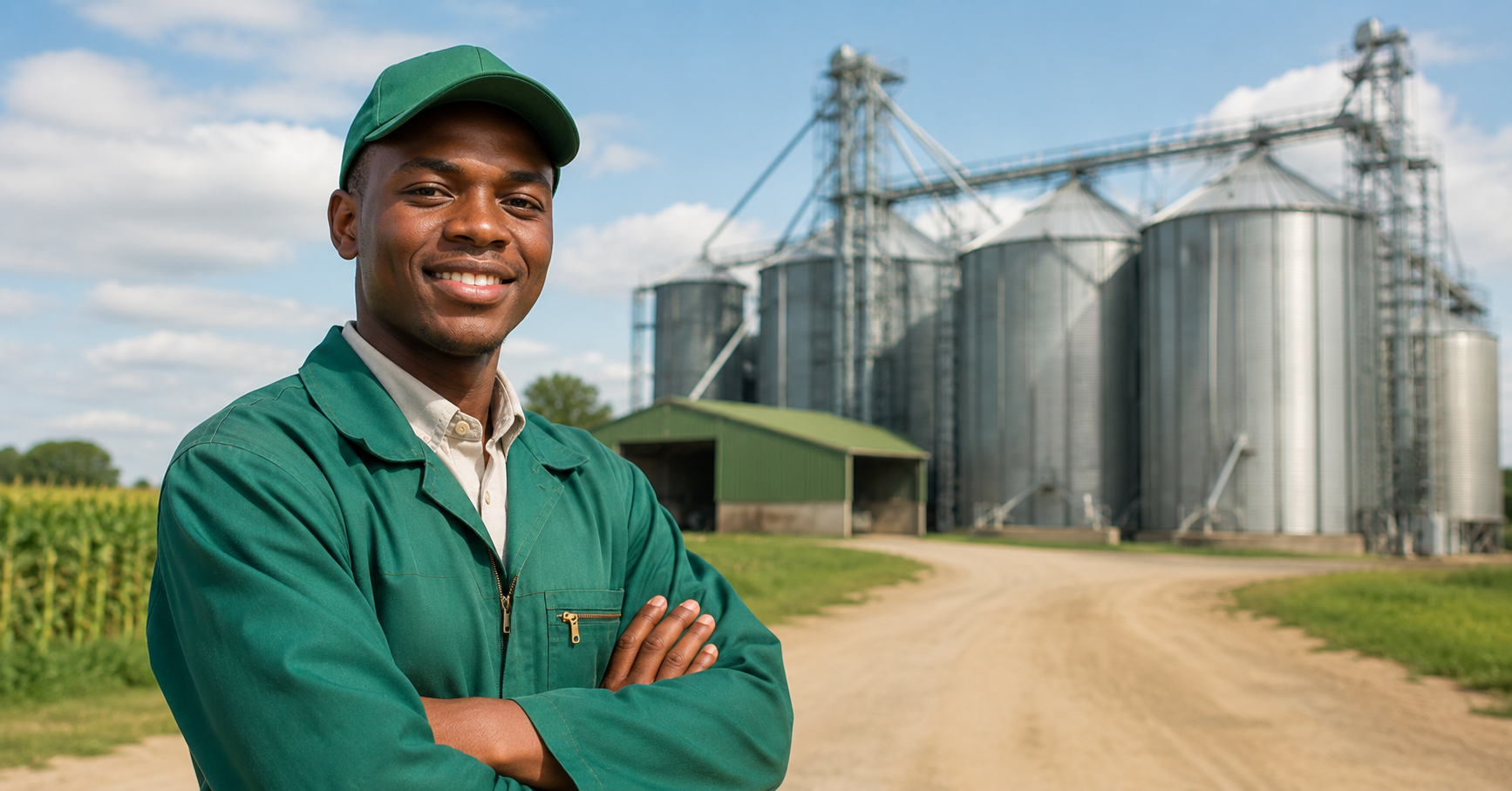
South Africa’s agricultural sector continues creating valuable career opportunities for young people looking to enter stable industries with long-term growth potential. One programme attracting major attention in 2026 is the Senwes Learnership Programme.
For unemployed youth and matriculants searching for practical training opportunities, Senwes offers structured learnerships designed to help participants gain workplace experience while learning valuable agricultural and grain industry skills.
The programme is especially attractive because it combines accredited training, practical work exposure, and monthly financial support. Instead of studying theory alone, learners receive hands-on experience inside real agricultural environments.
This guide explains everything you need to know about the Senwes Learnership Programme 2026, including requirements, benefits, stipend information, application steps, training structure, and career opportunities after completion.
What Is the Senwes Learnership Programme?
Senwes is one of South Africa’s leading agricultural businesses, with operations focused on grain handling, storage, logistics, and agricultural services.
The Senwes Learnership Programme 2026 is a structured training initiative designed to help young South Africans build careers in the agricultural and grain management industry. The programme focuses heavily on practical workplace learning and technical development.
One of the most popular opportunities under the programme is the Senwes Grainlink Learnership, where learners train toward becoming Junior Grain Graders.
Why Agricultural Careers Are Becoming More Important
Agriculture remains one of South Africa’s most important industries because it supports food production, logistics, exports, and rural employment.
As food demand grows, companies increasingly need skilled workers who understand:
- Grain handling
- Silo operations
- Agricultural logistics
- Quality control
- Grain grading
- Supply chain operations
Industry reports continue highlighting the importance of skills development within agriculture because trained workers are needed to support South Africa’s food systems and export economy.
For many young people, agricultural learnerships offer a realistic pathway into stable careers without requiring expensive university degrees.
Overview of the Senwes Grainlink Learnership 2026
According to recent listings, the Senwes Grainlink Learnership Programme is a structured 12-month training programme that combines formal instruction with practical silo experience.
Discover More Seta Accredited careers...
Programme Highlights
- 12-month learnership programme
- Practical workplace training
- Accredited grain grading instruction
- Monthly stipend or salary
- Exposure to silo operations
- Mentorship from experienced professionals
- Workplace readiness development
Participants work at one of Senwes Grainlink’s silos while receiving technical training and industry exposure.
What Learners Will Do During the Programme
The programme is designed to provide both theoretical and practical learning.
Grain Grading Training
Learners are trained to inspect grain quality and classify products according to industry standards.
Silo Operations
Participants gain experience with grain storage systems and operational processes.
Administration Skills
The programme also includes administrative and documentation exposure.
Grain Handling
Learners understand how grain commodities are received, stored, and distributed safely.
Workplace Skills
The learnership helps participants develop:
- Communication skills
- Teamwork
- Time management
- Safety awareness
- Professional workplace behavior
Who Should Apply?
The programme is ideal for:
- Unemployed youth
- Matriculants
- School leavers
- Young people interested in agriculture
- Candidates interested in technical careers
- Applicants seeking practical workplace experience
Senwes specifically targets motivated young South Africans interested in building careers within the agricultural industry.
Minimum Requirements for the Senwes Learnership Programme 2026
Requirements may vary slightly depending on the specific learnership division, but most listings mention the following:
Educational Requirements
Applicants generally need:
- Grade 12 / National Senior Certificate
- Mathematics as a subject
- Interest in technical or agricultural fields
Some listings also mention that technical ability or aptitude may serve as an advantage.
Age Requirements
Many listings indicate preferred ages between:
- 18 and 25 years old
Additional Requirements
Applicants should also:
- Be unemployed
- Not currently registered for another learnership
- Be willing to work at silo locations
- Be able to communicate effectively
- Work well in teams
Some vacancies also mention English and Afrikaans communication skills as an advantage.
Why Mathematics Is Important
Grain grading and agricultural operations involve measurements, calculations, and technical processes.
Mathematics helps learners understand:
- Quality measurements
- Grain moisture calculations
- Storage processes
- Operational accuracy
- Inventory systems
Applicants with strong technical subjects may therefore have stronger applications.
Benefits of the Senwes Learnership Programme
Practical Work Experience
One of the biggest advantages is real workplace exposure inside operational agricultural environments.
Monthly Stipend
Most listings mention that learners receive a monthly stipend or salary during the programme.
Accredited Training
Participants receive structured industry-relevant training that improves employability.
Career Development
The programme can create pathways into:
- Agriculture
- Logistics
- Quality control
- Grain operations
- Supply chain management
Workplace Mentorship
Learners work alongside experienced agricultural professionals who guide and support development.
Why Learnerships Matter in South Africa
Learnerships remain important because they help bridge the gap between education and employment.
Research and public discussions around South African skills development consistently highlight the importance of practical workplace learning for unemployed youth entering competitive industries.
Many employers value candidates with practical experience because they already understand workplace expectations and operational systems.
Challenges Applicants Should Understand
Although learnerships offer strong opportunities, applicants should also understand the challenges involved.
Competitive Selection Process
Popular learnerships often receive thousands of applications.
Physical Work Environment
Agricultural and silo environments may involve physical activity and outdoor work.
Relocation Possibility
Some learners may need to work at silo locations outside their hometowns.
Learning Pressure
Participants must balance practical training with technical learning requirements.
Preparing mentally for these realities helps applicants succeed.
Tips to Improve Your Chances of Selection
Create a Professional CV
Your CV should clearly include:
- Educational background
- Technical subjects
- Communication skills
- Leadership activities
- Work readiness
Highlight Agricultural Interest
Mention:
- Farming exposure
- Agricultural interests
- Technical hobbies
- Mechanical aptitude
Submit Complete Documents
Missing documentation can result in immediate rejection.
Apply Early
Avoid waiting until the final application date.
Prepare for Assessments
Some learnership programmes may include interviews or assessments during recruitment.
Reddit discussions around learnership applications often emphasize the importance of showing genuine interest and initiative rather than only meeting minimum requirements. (Reddit)
Application Process for Senwes Learnership Programme 2026
Applicants generally apply online through the Senwes careers platform or official recruitment portals.
Documents Usually Required
Prepare:
- Updated CV
- Certified copy of ID
- Certified Matric certificate
- Academic transcripts
- Proof of residence
- Supporting qualifications if applicable
Application Steps
Step 1: Visit the Official Website
Go to the Senwes careers or recruitment portal.
Step 2: Search for Learnership Opportunities
Look for available 2026 learnership listings.
Step 3: Complete Online Application
Fill in your personal details carefully.
Step 4: Upload Documents
Ensure all files are clear and certified where required.
Step 5: Submit Before Closing Date
Late applications are usually not considered.
Where to Apply
Official Senwes website:
CLICK HERE TO APPLY
Learnership information page:
Senwes Learnership Information
Application guidance portal:
Senwes Learnership Application Details
Career Opportunities After Completing the Programme
Successful learners may pursue careers in:
- Grain grading
- Silo operations
- Agricultural logistics
- Supply chain management
- Farming operations
- Agricultural administration
- Quality assurance
Agriculture continues offering long-term employment opportunities because food production and distribution remain essential industries.
Frequently Asked Questions
Is the Senwes Learnership paid?
Yes. Most listings mention a monthly stipend or salary during the programme. (SendCv Careers Opportunity)
How long is the programme?
The Grainlink Learnership is typically a 12-month programme. (sseta.co.za)
Do I need Matric to apply?
Yes. Most listings require a National Senior Certificate or Grade 12 qualification. (BeraPortal)
Is Mathematics required?
Yes. Mathematics is listed as an important requirement for several Senwes learnership opportunities. (BeraPortal)
What career can I build after the learnership?
Learners may pursue careers in agriculture, grain operations, logistics, and quality control.
Conclusion
The Senwes Learnership Programme 2026 is one of the strongest opportunities available for young South Africans interested in agriculture and technical career development. By combining practical experience, accredited training, and workplace exposure, the programme helps learners build valuable skills for long-term employment.
For motivated applicants who enjoy technical environments, agriculture, and operational work, this learnership can become an important first step toward a stable and rewarding career in South Africa’s agricultural industry.