
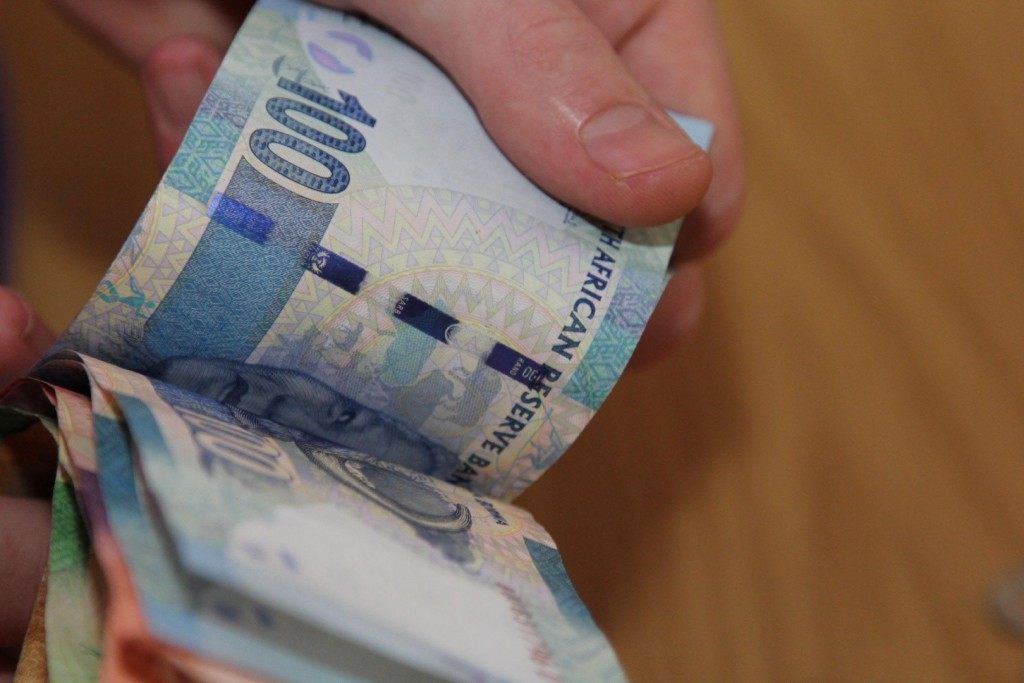
Struggling to Pay Back a Loan in South Africa? Here’s What You Need to Know
Many South Africans are currently dealing with financial pressure caused by rising living costs, unemployment, unexpected emergencies, and increasing debt. While loans can help during difficult times, repayment can become stressful when income changes suddenly.
One of the biggest fears borrowers have is not knowing what happens if they cannot repay a loan. Questions about blacklisting, debt collectors, legal action, and losing assets often create anxiety and confusion.
The good news is that South African consumers still have rights and legal protections under the National Credit Act (NCA). However, ignoring debt completely can make the situation worse over time.
Understanding how the process works can help borrowers make smarter decisions before financial problems become more serious.
What Happens When You Miss a Loan Payment?
Missing one payment does not automatically mean you will lose your possessions or face court action immediately. In most cases, lenders follow a process before escalating the matter.
First Missed Payment
After missing a payment:
- Your lender may contact you by phone, SMS, or email
- Penalty fees and interest may be added
- Your account may be marked as overdue
Many lenders encourage borrowers to contact them early to discuss repayment arrangements. Financial experts often recommend communication as the first step to avoiding bigger problems.
How Missed Payments Affect Your Credit Score
One of the biggest consequences of failing to repay a loan is damage to your credit profile.
Credit providers report missed payments to credit bureaus, which may lower your credit score significantly. According to financial industry guidance, negative records can remain on your credit profile for years.
A poor credit score can make it harder to:
- Get approved for future loans
- Buy a car on finance
- Qualify for a home loan
- Open clothing accounts
- Access cellphone contracts
In some cases, lenders may still approve credit but charge much higher interest rates because you are considered high risk.
Discover More Seta Accredited careers...
Can You Be Blacklisted in South Africa?
The term “blacklisted” is commonly used in South Africa when someone has negative credit information listed on their profile.
Although the formal legal term is different today, many people still use “blacklisted” to describe:
- Judgments
- Defaults
- Debt review status
- Missed payment records
If loan repayments are consistently missed, your credit record may reflect adverse listings that negatively affect future borrowing opportunities.
What Happens After Several Missed Payments?
If payments continue to be missed for months, the situation becomes more serious.
Debt Collection Process
Lenders may:
- Hand your account to debt collectors
- Use attorneys to recover money
- Send formal demand letters
- Begin legal proceedings
Debt collection agencies are legally regulated in South Africa and must follow specific rules. They cannot use violence, threats, or illegal intimidation methods.
Can a Lender Take You to Court?
Yes. If you continue ignoring repayments, lenders can pursue legal action.
Depending on the type of loan and court judgment:
- Your salary may be garnished
- Your bank account may be affected
- Certain assets could potentially be attached
For secured loans such as:
- vehicle finance
- home loans
the lender may repossess the financed asset if repayments stop completely.
Unsecured loans usually involve debt collection and court judgments instead of repossession.
Can You Go to Jail for Not Paying Debt?
In South Africa, you generally cannot go to jail simply for being unable to pay debt.
However, legal problems may arise if:
- fraud is involved
- court orders are ignored
- false information was provided intentionally
Financial experts note that ordinary debt problems are normally handled through civil legal processes rather than criminal punishment.
How Long Does Bad Debt Stay on Your Record?
Negative listings may remain on your credit profile for several years depending on:
- the type of listing,
- whether judgments were issued,
- and whether debts were settled.
Financial sources indicate that defaults and adverse payment information can affect borrowers for long periods if unresolved.
This is why early action is extremely important.
Why Many South Africans Fall Behind on Loans
Financial struggles are more common than many people realise.
Some common reasons include:
- Job loss
- Reduced working hours
- Medical emergencies
- Rising fuel and food prices
- Supporting extended family
- Unexpected expenses
- Overuse of credit
Recent financial discussions continue to highlight growing pressure on South African households dealing with debt and repayment stress.
What You Should Do If You Cannot Pay Back a Loan
Ignoring the problem usually creates bigger financial damage later. Taking action early can help protect your finances and credit profile.
Contact Your Lender Immediately
Many lenders prefer negotiating payment arrangements instead of starting legal action.
You may be able to:
- reduce instalments temporarily,
- extend repayment periods,
- negotiate payment holidays,
- or restructure the debt.
Financial experts consistently recommend early communication before accounts fall into default.
Consider Debt Review
Debt review is a legal process available under the National Credit Act.
A registered debt counsellor can:
- assess your finances,
- negotiate with creditors,
- and help create an affordable repayment plan.
Debt review may help prevent:
- repossessions,
- judgments,
- and aggressive debt collection.
However, debt review also affects your credit profile while under the process.
Cut Unnecessary Expenses
When struggling financially, reviewing your monthly budget becomes important.
Some people reduce spending by:
- cancelling subscriptions,
- limiting entertainment expenses,
- reducing luxury purchases,
- or temporarily cutting non-essential costs.
Even small savings can help improve repayment ability over time.
Find Additional Income Sources
Many South Africans now use side hustles or freelance work to supplement income.
Examples include:
- online freelancing,
- tutoring,
- delivery driving,
- selling products online,
- graphic design,
- social media management,
- and part-time work.
Extra income can help prevent accounts from falling deeper into arrears.
Avoid Taking More Loans to Pay Existing Debt
One of the biggest mistakes borrowers make is taking new high-interest loans to repay older debt.
This often creates a dangerous debt cycle where repayments become increasingly difficult.
Payday loans and unsecured short-term loans can carry very high interest rates, making financial pressure worse over time.
Understanding Secured vs Unsecured Loans
Secured Loans
These are linked to assets such as:
- homes,
- cars,
- or property.
If payments stop, the lender may repossess the asset.
Unsecured Loans
These include:
- personal loans,
- credit cards,
- retail accounts.
No asset is directly attached, but legal recovery processes may still follow.
Financial Education Is More Important Than Ever
Many online discussions from South Africans highlight how important financial literacy has become. Some borrowers only fully understand loans, interest, and repayment consequences after experiencing debt problems personally.
Understanding:
- interest rates,
- repayment structures,
- credit scores,
- and loan agreements
can help consumers make better financial decisions in the future.
Final Thoughts
Failing to repay a loan in South Africa can lead to serious financial consequences, including damaged credit scores, debt collection, legal action, and long-term financial stress.
However, borrowers still have legal rights and options available.
The most important step is acting early instead of ignoring the problem. Communicating with lenders, seeking professional financial advice, and managing debt responsibly can help prevent the situation from becoming worse.
Financial struggles can happen to anyone. The key is responding quickly, staying informed, and focusing on practical solutions that improve long-term financial stability.
Frequently Asked Questions (FAQs)
What happens if I miss one loan payment?
You may receive penalty fees, collection calls, and a negative mark on your credit profile if the payment remains unpaid.
Can I go to jail for not paying debt in South Africa?
Generally, no. Ordinary debt issues are usually civil matters, not criminal offences.
Will missing loan payments affect my credit score?
Yes. Missed payments can negatively affect your credit score and future loan approvals.
Can debt collectors take my furniture or belongings?
Debt collectors themselves cannot simply take possessions without legal processes and court orders.
What is debt review?
Debt review is a legal debt assistance process that helps consumers repay debt through affordable repayment plans.
Can a bank repossess my car?
Yes, if the vehicle is financed and repayments stop for an extended period.
Should I ignore calls from creditors?
No. Communicating early with lenders usually improves your chances of finding repayment solutions.
Can I recover my credit score after debt problems?
Yes. Responsible repayment behaviour over time can gradually improve your credit profile.