
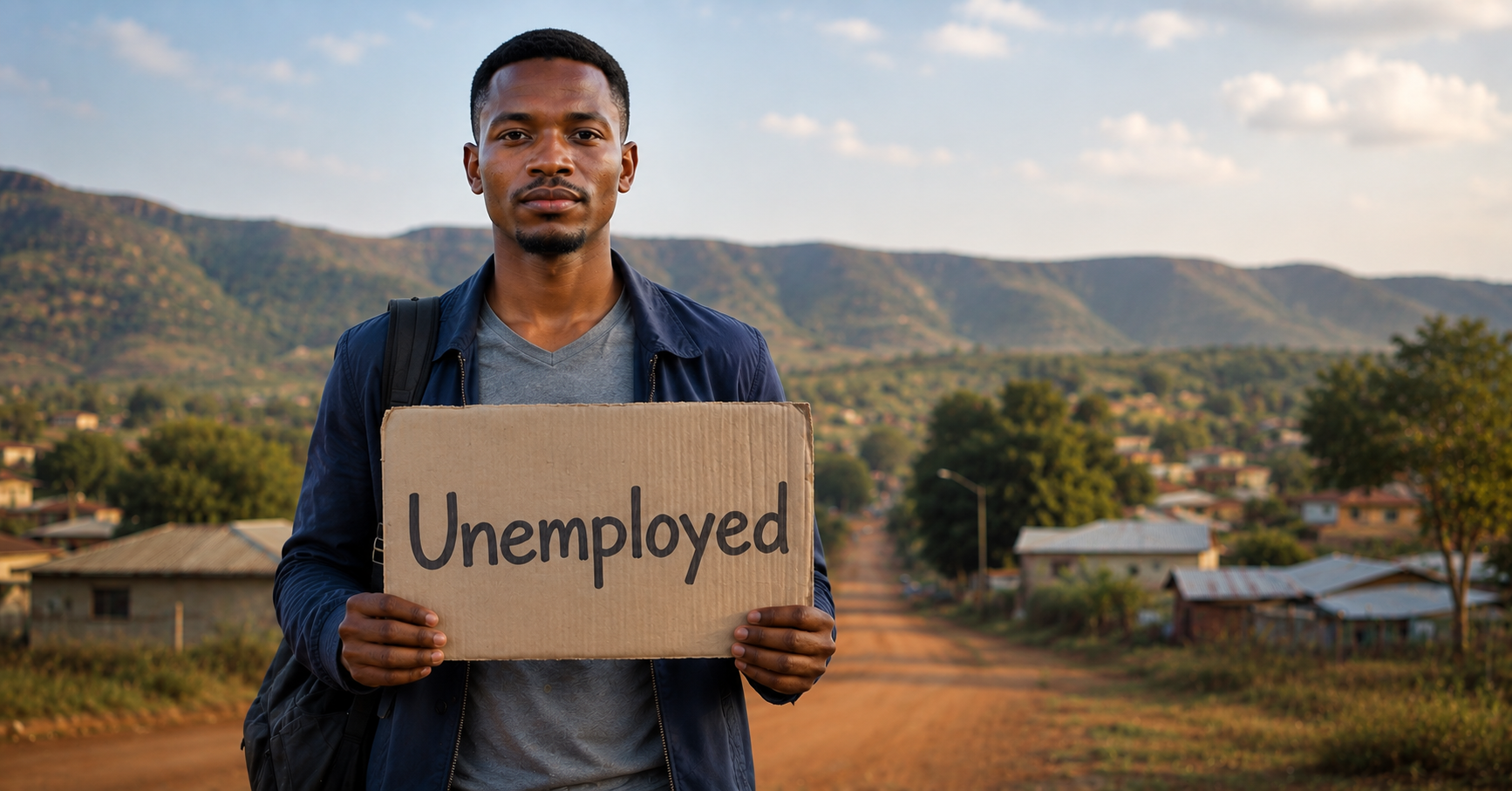
Shock Discovery: Many Unemployed South Africans Are Still Registered as Employed
Thousands of unemployed South Africans are discovering a serious problem when applying for UIF, grants, jobs, or financial assistance — government systems sometimes still show them as employed even when they no longer have work.
This situation can create major stress and delays, especially when applying for:
- UIF benefits
- SASSA grants
- NSFAS funding
- Learnerships
- Government jobs
- Financial assistance
- Credit applications
Many people only discover the problem after receiving rejection messages saying they are “currently employed” even though they have been unemployed for months or years.
The good news is that there are ways to check your employment status and fix incorrect records.
This guide explains how to check whether you are still registered as employed in South Africa and what to do if your employment information is wrong.
Why This Problem Happens
In South Africa, employment information can remain active on systems like:
- UIF
- SARS
- Department of Employment and Labour
- Payroll systems
- Employer databases
Sometimes former employers fail to:
- Update termination dates
- Submit employee exit information
- Stop monthly declarations
- Correct payroll records
In other situations, workers may have been fraudulently registered without their knowledge.
This can create serious complications for unemployed individuals trying to access government support.
Common Signs You May Still Be Registered as Employed
Many people discover the issue after experiencing problems such as:
- UIF application rejection
- SASSA SRD grant decline
- “Alternative income source identified” messages
- Failed employment verification
- SARS employment records still active
- Payslips or deductions appearing unexpectedly
- UIF showing active contributions
If any of these happen, it is important to investigate quickly.
1. Check Your UIF Employment Status Online
One of the easiest ways to check your employment status is through the UIF uFiling system.
Discover More Seta Accredited careers...
The UIF system often shows:
- Employer details
- Contribution history
- Active employment records
- Previous employers
- Employment periods
How to Check Your UIF Status
Step 1: Visit the Official UIF Website
Use the official UIF uFiling platform:
Step 2: Register or Log In
You will need:
- South African ID number
- Phone number
- Email address
Step 3: Check Contribution Records
Once logged in, you can review:
- Contribution history
- Employer declarations
- Active employment information
- Previous employment periods
The uFiling system allows workers to verify whether employers submitted UIF contributions correctly. (UIF Calculators)
2. Check Your SARS Employment Information
Your SARS tax profile may also show whether an employer still lists you as employed.
This is important because many government systems cross-check employment data with SARS records.
How to Check Through SARS
You can use:
- SARS eFiling
- SARS MobiApp
- SARS branch assistance
Check for:
- IRP5 certificates
- Active employer records
- PAYE deductions
- Recent payroll submissions
If an employer still submits payroll information under your name, the system may assume you are employed.
3. Check Your UIF Contributions
Another important step is checking whether contributions are still being made under your ID number.
Unexpected UIF activity may indicate:
- Employer errors
- Fraudulent registration
- Payroll mistakes
- Unupdated employee records
According to UIF guidance, employers must submit employee return information regularly. (Ufiling)
4. Contact the Department of Employment and Labour
If online systems show incorrect employment records, contact the Department of Employment and Labour directly.
Important details to provide include:
- South African ID number
- Previous employer details
- Employment dates
- UIF reference number if available
UIF Contact Information
UIF Call Centre
- 0800 030 007
Official Website
Department of Employment and Labour UIF Services
Officials may help verify your status and advise on correction procedures.
5. Ask Your Previous Employer for Confirmation
Sometimes the issue is caused by employers failing to submit termination information.
Contact your former employer and request:
- Termination confirmation
- UI19 form
- Updated payroll records
- Proof of UIF declaration closure
This documentation may help correct system records faster.
6. Check if Someone Used Your Information Fraudulently
Identity fraud sometimes causes employment records to appear incorrectly.
Warning signs may include:
- Unknown employers on UIF
- Unexpected salary information
- Contributions from companies you never worked for
- Tax records linked to unknown businesses
If this happens:
- Contact SARS immediately
- Report possible identity fraud
- Update your profile security
- Monitor future activity
Why Correct Employment Status Matters
Incorrect employment records can affect:
UIF Applications
UIF benefits may be delayed or rejected if the system believes you are employed.
SASSA Grants
SRD grants often use employment verification systems to assess eligibility.
Job Opportunities
Some employers conduct employment verification during recruitment.
Credit Applications
Banks and lenders may use employment records during affordability assessments.
Keeping accurate records protects your financial and employment opportunities.
What to Do if UIF Shows Active Employment Incorrectly
If UIF incorrectly shows you as employed:
Step 1: Gather Supporting Documents
Collect:
- ID copy
- Termination letter
- Last payslip
- Bank statements
- UIF reference details
- Employment contract if available
Step 2: Visit a Labour Centre if Necessary
Sometimes online corrections take time. Visiting a labour office may speed up assistance.
Step 3: Request Employer Correction
Employers may need to submit updated declarations removing active status.
Step 4: Follow Up Regularly
Government systems sometimes experience delays. Regular follow-up is important.
Can Employers Legally Fail to Register or Deregister Workers?
Employers have legal responsibilities regarding UIF registration and declarations.
South African labour regulations require employers to register qualifying employees for UIF contributions. (Government of South Africa)
If employers deduct UIF money but fail to pay or update records, workers can experience serious problems later.
Some online discussions from South African workers highlight concerns about employers deducting UIF without proper registration updates.
How Long Does It Take to Correct Employment Records?
Correction times vary depending on:
- Employer cooperation
- System processing times
- UIF backlog
- SARS updates
- Documentation availability
Some corrections may take days, while others can take several weeks.
Keeping copies of all communications and reference numbers is important.
Tips to Protect Yourself in Future Employment
To avoid future problems:
Keep All Payslips
Payslips help prove employment periods and UIF deductions.
Monitor UIF Regularly
Check contribution records periodically.
Keep Termination Letters
Always request official termination documentation when leaving a job.
Register for SARS eFiling
Monitoring tax records helps detect incorrect employment activity early.
Avoid Sharing ID Documents Unnecessarily
Protecting your personal information reduces identity fraud risks.
Final Thoughts
Discovering that you are still registered as employed while unemployed can be frustrating and stressful, especially when applying for UIF or financial support.
Fortunately, South Africans can verify employment status through UIF, SARS, and Department of Labour systems.
Checking your records regularly, keeping employment documents safe, and following up quickly on errors can help prevent long-term complications.
If your records are incorrect, taking immediate action improves the chances of resolving the issue faster and protecting your future opportunities.
FAQs
How can I check if I am still registered as employed?
You can check through UIF uFiling, SARS eFiling, or by contacting the Department of Employment and Labour.
Why does UIF still show me as employed?
This may happen if your previous employer failed to update termination records or continued submitting payroll declarations.
Can incorrect employment records affect SASSA grants?
Yes. Incorrect employment information may affect SRD grant eligibility and other financial assistance applications.
What documents help prove unemployment?
Termination letters, last payslips, bank statements, and UIF records can help confirm unemployment status.
Can employers deduct UIF without paying it?
Employers are legally required to submit UIF contributions correctly. Failure to do so may create problems for workers later. (Labour Guide South Africa)
What should I do if I see unknown employers on my UIF profile?
Contact UIF and SARS immediately because it could indicate identity fraud or incorrect payroll submissions.